
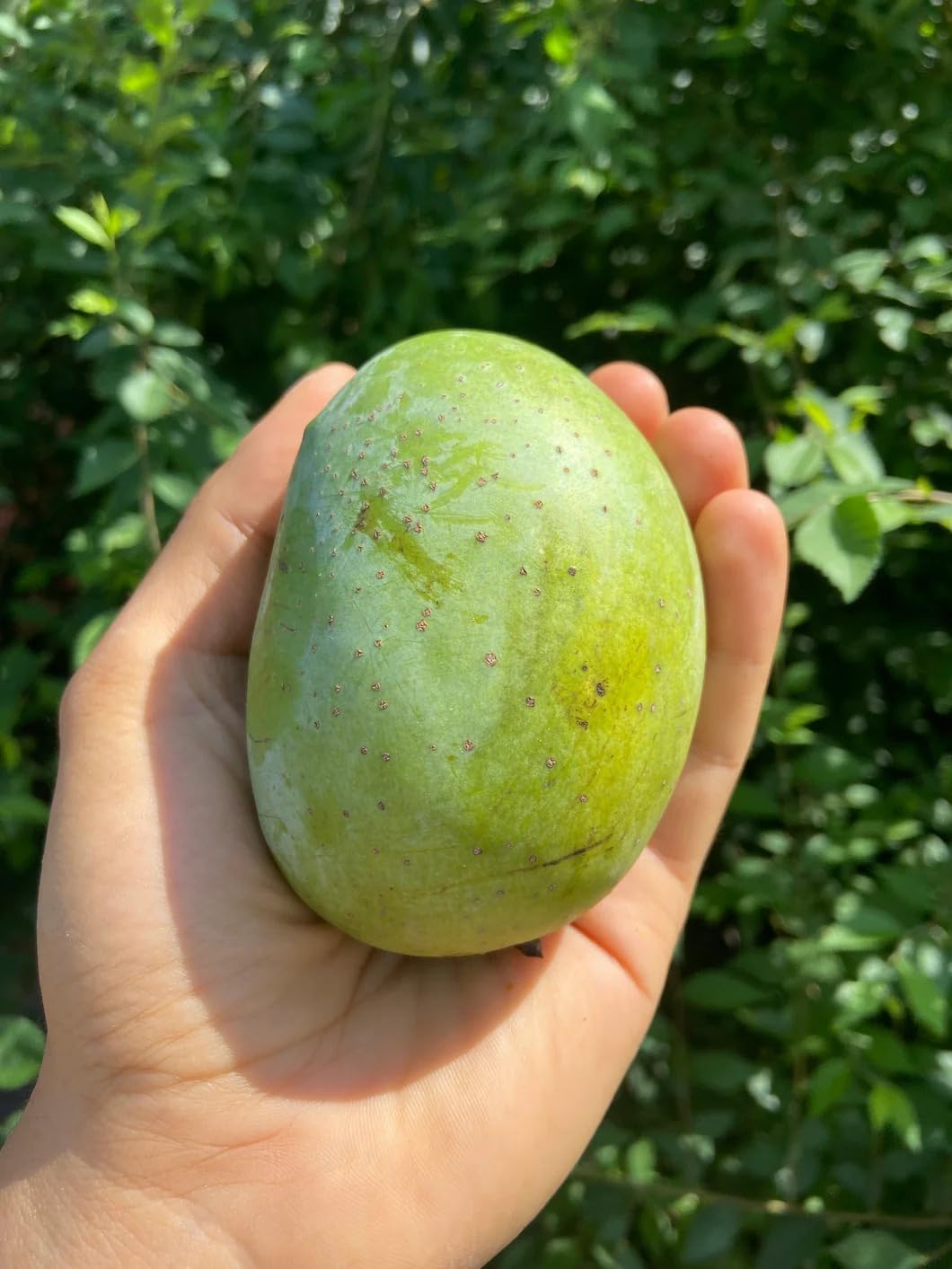
Mango Ripening Myths: What Colour and Smell Can—and Cannot—Tell You
Share
Online mango advice often promises that one quick test can reveal how a fruit was ripened. Most such tests go beyond what appearance can show. Here is a more reliable way to think about colour, smell and softness.
Myth: a yellow mango is artificially ripened
False. Skin colour varies naturally by variety and can change as the mango matures. Some ripe mangoes remain mostly green.
Myth: a strong aroma proves tree ripening
A fruity aroma can help you judge eating ripeness, but it does not prove how the fruit was handled before it reached you.
Myth: a water test identifies the method
Whether a mango floats or sinks depends on the fruit’s density and other factors. It is not a reliable test of ripening method.
What to do instead
Use gentle pressure and aroma to decide whether the fruit may be ready to eat. For the handling history, ask the seller. FSSAI prohibits calcium carbide for artificial fruit ripening and describes controlled ethylene-gas use under prescribed conditions in its guidance note.
ASD Orchards mangoes ripen naturally on the tree; we do not use carbide or artificial ripening agents. Crop protection during cultivation is a separate practice and may be used when needed.
Related from ASD Orchards
Explore the related product details and seasonal availability:
 Have a question? Chat with us on WhatsApp!